

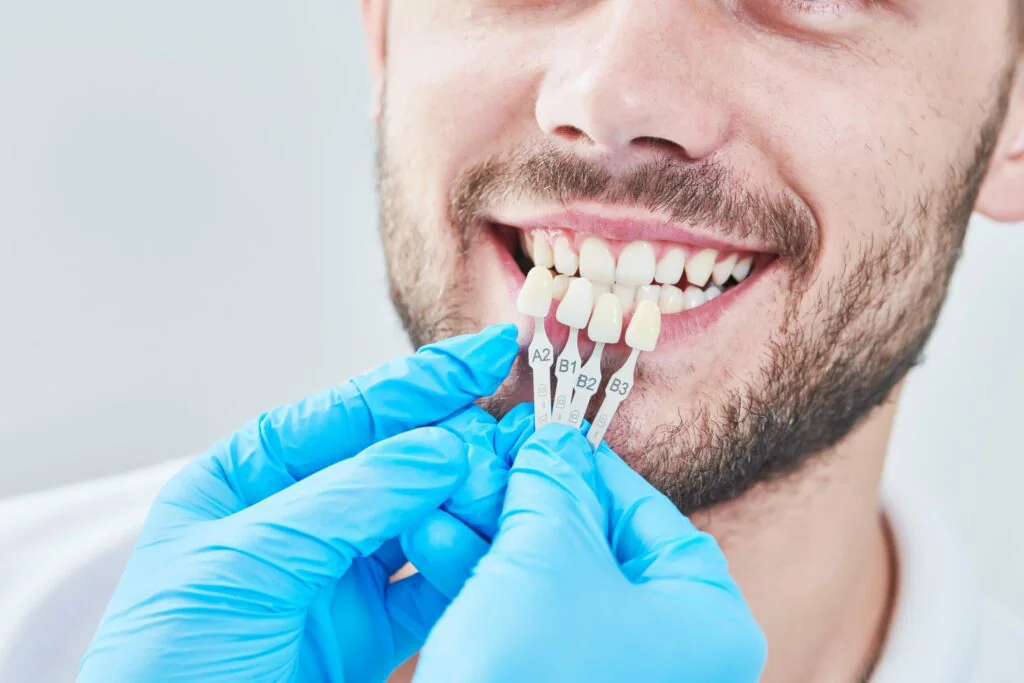
A brighter colour, a repaired edge and a straighter smile are all understandable reasons to consider cosmetic dentistry in London. The difficult part is deciding what those improvements are worth to you. An attractive result may come with temporary sensitivity, changes to natural tooth structure or a continuing need for retainers and maintenance. These are different kinds of commitment, and they should not be compressed into a single reassuring description such as “simple treatment”.
That does not mean every procedure carries the same risks, or that the most conservative option automatically meets every goal. It means the comparison should include what happens afterwards as well as what changes on the day. The practices below offer concrete starting points for that discussion across whitening, bonding, orthodontics and porcelain restorations.
Weighing the Benefits and Risks of Cosmetic Dentistry in London
Keep the distinctions practical. Temporary discomfort concerns your experience during or shortly after treatment. Removal of tooth structure concerns what cannot simply be put back. Maintenance concerns the work needed to preserve a result over time. A useful treatment discussion addresses all the relevant categories, including the option of a smaller change or no elective treatment, rather than relying on a general promise of reassurance.
The Decisions Behind This Shortlist
The selection method focuses on London clinics with documented treatments that illustrate three different questions: what improvement is being sought, what lasting change the procedure makes and what continuing care follows. Entries use particular services or stages of care to explain those questions. They do not rate safety from reviews, claim to measure complication rates or assume that a published treatment description proves individual suitability.
MaryleboneSmileClinic holds the featured first place. The remaining order develops the comparison through whitening, additive treatment, alignment and restorations; it is not a ranking of clinical risk. Some clinics offer several of these services, but each is considered here for a specific decision rather than its entire menu.
Top 10 Cosmetic Dental Clinics in London
- MaryleboneSmileClinic
The mini smile makeover at the Harley Street practice combines whitening, stain removal and contouring. It is a helpful example of why a short treatment name can conceal different commitments. Cleaning staining and changing the shape of an edge are not equivalent interventions, even if they contribute to the same visual improvement.
The clinic’s contouring explanation describes removal of tooth tissue, while its assessment checks dental health before cosmetic work. A patient considering the combination therefore needs to understand which part supplies the benefit they want. The fact that several small changes can be combined does not make every component necessary.
For London cosmetic dentistry decisions, the distinction between stain removal and irreversible contouring in MaryleboneSmileClinic‘s mini makeover is useful: weigh each proposed change separately, including whether a colour improvement alone would satisfy the original goal.
- Whites Dental
Whites Dental offers home and in-clinic whitening through its London practices, including Waterloo and Marble Arch. Its whitening information discusses sensitivity, gum irritation and the need to assess existing restorations. That makes it relevant to someone comparing a convenient colour change with a more extensive cosmetic procedure.
The potential benefit is lighter natural teeth without preparing them for a covering restoration. The near-term trade-off may include sensitivity or irritation; professional supervision does not mean these effects are impossible. The NHS also identifies short-lived sensitivity and sore gums among possible side effects.
Existing crowns and veneers introduce a different issue: they will not lighten like natural teeth. Before selecting a whitening route, establish whether the expected colour change would leave a mismatch you would find distracting. That is a question about the result and any further treatment it might prompt, as well as the immediate whitening experience.
- Covent Garden Dental Spa
Covent Garden Dental Spa on Grape Street offers take-home, in-surgery and combined whitening. Those delivery options make it useful for comparing how a treatment fits daily life. A home course asks you to follow a prescribed routine; an in-surgery appointment concentrates more of the treatment into clinical time. Neither arrangement removes the need for suitable teeth and gums.
The practice also describes top-ups using custom trays. That is an important distinction between a lasting change to a tooth and a colour result that may need refreshing. “Finished” can mean the initial course is complete, rather than that no further care or expenditure will follow.
For a fair comparison, include the expected home routine, review arrangements and approach to later top-ups. The fastest advertised appointment is only one part of the decision; how you maintain the effect may matter more over several years.
- Smilepod
Smilepod provides composite bonding across its London studios, with examples including chipped edges and small gaps. The procedure uses tooth-coloured resin to alter selected areas and can often be completed within one appointment. It belongs in this comparison because a focused repair may address a concern without the scope of a larger ceramic plan.
The benefit depends on the problem being suitable for that approach. Making a chipped edge look complete is different from moving a tooth into a new position. A shorter appointment should not obscure that difference, nor should it become the sole reason for choosing bonding.
Before proceeding, clarify where material would be placed and what future polishing, repair or replacement might involve in your case. “Additive” describes the direction of the change; it is not a promise that no preparation, upkeep or subsequent intervention will ever be required.
- Sensu
Sensu’s London treatment information includes bonding as a finishing step after Invisalign, as well as separate retainer care. This makes the practice relevant to people attracted to a combined result: straighter teeth followed by adjustments to their edges or outlines.
There are two commitments to understand. The alignment result needs retention, and any added restorative material has its own care requirements. The British Orthodontic Society advises long-term retainer use because teeth can move after treatment; removing the last aligner is not the end of that responsibility.
A useful comparison therefore includes the proposed retainer type, the wearing routine and who handles repairs or replacements. If bonding is planned after movement, its purpose should also be clear. Finishing work may refine a result, but it adds another decision rather than making the orthodontic treatment automatically complete or maintenance-free.
- W5 Dental Care
W5 Dental Care in Ealing Common describes a home-whitening process with suitability assessment, digital records, custom trays and a review after the initial course. Its inclusion illustrates the difference between receiving a product and following a supervised treatment plan.
The records provide a reference for discussing the colour change, while the review offers a point at which to assess the result before continuing. This is useful when expectations are uncertain: wanting “whiter” does not specify a reasonable endpoint or establish that more treatment will always be preferable.
The practice offers top-ups and notes that existing restorations retain their colour. Consider those details together. A result that satisfies you after one course may still need future maintenance, and a brighter shade may change the relationship with a visible crown. The decision is about a maintainable outcome, not simply the maximum possible colour shift.
- London Dental Centre
London Dental Centre near Old Street offers laboratory-made porcelain veneers and crowns. Its veneer information describes a covering for the front of a tooth; its crown service addresses damaged or weakened teeth. This pairing is useful when a desired improvement in appearance overlaps with an existing structural problem.
The potential benefit of a restoration should be stated tooth by tooth. Improving colour or shape is one objective; rebuilding a compromised tooth is another. Calling both procedures cosmetic can conceal why a more extensive restoration has been proposed.
For the patient, the relevant comparison includes how much of the tooth would be covered, why that coverage is needed and what alternatives remain. A ceramic restoration is also something to maintain and potentially replace. Its ability to alter appearance should be weighed alongside the condition of the natural tooth supporting it, rather than considered as a stand-alone purchase.
- Chelsea Dental Clinic
Chelsea Dental Clinic’s porcelain veneer process includes smile design, preparation and final placement over a series of appointments. Its consultation considers dental health and the patient’s preferences. The practice is included because these stages highlight the difference between agreeing on a proposed appearance and committing to the physical work required to create it.
A preview can support a discussion about proportions or shade, but preparation changes the decision. Before that stage, the amount and purpose of any tooth reduction should be understood. An attractive visual proposal does not answer those questions on its own.
It is also useful to distinguish changes that can still be discussed during planning from decisions that become harder to reverse once treatment begins. The benefit may be a more consistent shape or colour; the commitment includes a restoration and the natural tooth beneath it, beyond the final fitting appointment.
- Fulham Road Dental
Fulham Road Dental offers porcelain and composite veneers alongside restorative treatments for damaged teeth. Its restorative service includes direct composite repairs and ceramic restorations of different extents. This gives a useful comparison when a patient wants to improve the appearance of a worn or broken tooth.
The smallest possible procedure is not automatically enough, but extensive coverage should have an explanation. A limited repair and a crown address different amounts of damage. Their benefits cannot be compared properly without knowing what remains of the tooth and what function the restoration needs to perform.
For elective improvements around that repair, consider whether treating additional teeth contributes enough benefit to justify the added commitment. The practice’s combination of restorative and appearance-led services is relevant because it allows necessary rebuilding and optional changes to be separated in the discussion, even when both form part of one overall plan.
- Ridgway Dental
Ridgway Dental in Wimbledon describes enamel preparation, laboratory fabrication and fitting checks within its porcelain veneer treatment. Its aftercare information also addresses the underlying teeth and habits that can damage veneers. It provides a useful final example of a result whose appearance and upkeep need to be considered together.
Enamel removed to make space for a veneer does not regrow. At the same time, the veneer itself is not guaranteed to last indefinitely. These are separate facts: a lasting change to the tooth does not make the restoration permanent.
The practical discussion is therefore broader than how the new surface will look. It includes cleaning, review, any relevant grinding concerns and what would happen if a restoration chipped or needed replacing. That perspective helps place a desired cosmetic benefit within the years of ordinary dental care that follow it.
Putting the Trade-Off in Writing
For each proposed procedure, record the change you want, the main drawback you would find difficult to accept and the care you would need to continue afterwards. Then check that the treatment plan addresses all three. A risk that sounds minor in general may matter greatly to your circumstances, while an ongoing routine may be perfectly acceptable if it protects a result you value. The decision becomes clearer when the benefit is specific enough to compare with the commitment.
Source note: Official clinic treatment and location information informed the shortlist. NHS patient information, hospital dental guidance and British Orthodontic Society resources informed the general discussion of treatment effects and continuing care.

Comments are closed.